
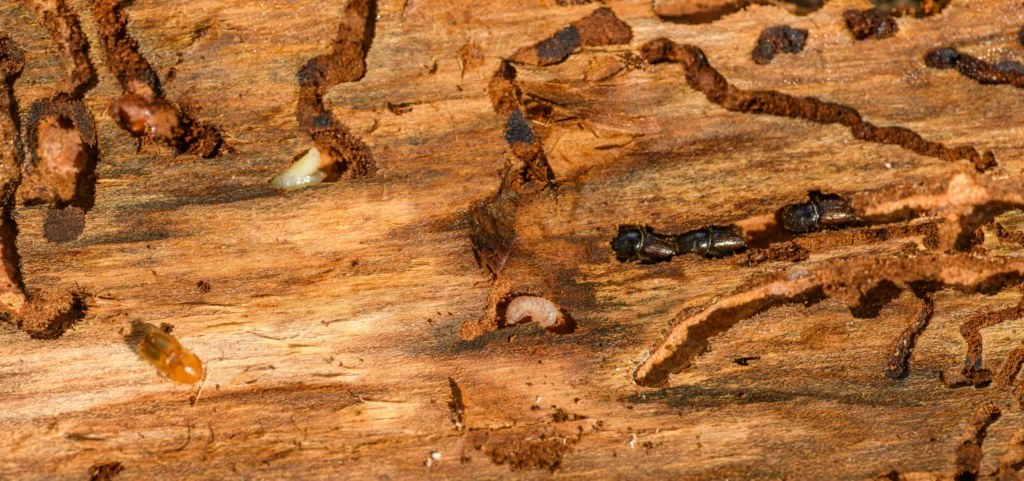
If you own wooden furniture, termites are not a maybe problem. They are a when problem, especially in warm and humid regions. Most people notice termites only after visible damage appears, and by then repair becomes expensive or impossible.
This guide explains how to protect wooden furniture from termites using practical methods that work in real homes. You will learn why termites attack furniture, how to reduce risk from the beginning, and how to respond if early signs appear. These steps apply whether your furniture is brand new or several years old.
Why Termites Are Attracted to Wooden Furniture
Termites look for environments where wood stays slightly damp, undisturbed, and easy to access. Wooden furniture provides all three when certain conditions exist.
Furniture becomes vulnerable due to excess moisture, untreated wood, and poor airflow. Even solid hardwood can suffer if placed near damp walls or poorly ventilated corners. Many homeowners assume polish alone is enough, but polish only protects the surface. Termites usually enter through joints, undersides, or internal gaps that are not visible.
Understanding these conditions helps prevent infestation rather than dealing with damage later.
Early Signs of Termite Attack You Should Never Ignore
Termite damage usually starts from inside the wood, which makes early detection difficult. However, there are practical signs that often appear before visible collapse.
Common warning signs include
• a hollow or papery sound when tapping wooden panels
• fine powder near furniture legs, joints, or below storage units
• drawers or shutters becoming tight without any clear reason
• thin mud like tubes near furniture or nearby walls
Ignoring these signs allows termites to spread further. At this stage, prevention alone is not enough and immediate treatment becomes necessary.
Choose the Right Wood Treatment from the Beginning
The most effective termite protection begins before furniture enters your home. Wood treatment creates a chemical barrier that termites avoid even if the surrounding environment is suitable.
When buying or making furniture, always confirm whether anti termite treatment has been applied. Common and effective options include
• borate based treatment that penetrates wood fibers and remains effective for years
• professional chemical treatment applied during manufacturing or refurbishment
• pressure treated wood for areas with high termite risk
These treatments do not change the appearance of furniture, but they significantly improve long term durability.
Keep Moisture Away from Wooden Furniture
Moisture is one of the strongest termite attractants. Even treated wood can become vulnerable if it remains damp for extended periods.
Furniture placed near bathrooms, kitchens, or exterior walls often absorbs moisture slowly over time. Direct contact with damp flooring also increases risk. Simple habits make a difference, such as wiping spills immediately and ensuring proper ventilation around furniture.
To reduce moisture related risk, focus on
• keeping furniture legs slightly raised from the floor
• allowing airflow by not pushing furniture tightly against walls
• controlling indoor humidity, especially in coastal or rainy regions
Dry wood is far less attractive to termites than damp wood.
Why Regular Polishing and Sealing is Important

image designed by freepik
Polishing is not just about appearance. It seals the wood surface and slows down moisture absorption, which indirectly reduces termite risk.
Oil based or wax based polishes work better than water based ones because they penetrate deeper. Joints, corners, and underside edges deserve extra attention, as termites often enter from these areas.
In most climates, polishing every six to twelve months is enough. In humid regions, more frequent sealing provides better protection. While polish alone cannot stop termites, it strengthens overall prevention when combined with treatment and dryness.
Natural Methods That Support Termite Prevention
Natural methods can help maintain a termite unfriendly environment, but they should never replace proper treatment.
Some supportive options include
• applying neem oil to hidden surfaces and furniture legs
• placing camphor near wooden storage areas to repel insects
• occasional sun exposure to remove hidden moisture without overheating the wood
These methods are best used as maintenance tools rather than primary protection.
Smart Furniture Placement Makes a Difference
Furniture placement plays a bigger role than most people realise. Poor placement can undo even good treatment.
Furniture placed in dark, damp corners or pressed tightly against walls remains uninspected for long periods. This creates ideal conditions for termites. Better placement includes
• leaving small gaps between furniture and walls for airflow
• avoiding areas close to plumbing lines or frequent water exposure
• checking underneath heavy furniture every few months
Visibility and airflow make early detection easier.
What to Do If Termites Are Already Present
Once termites are active, home remedies are not enough. Delaying action only increases damage.
Depending on severity, solutions may include
• localised chemical treatment for early stage infestation
• full fumigation if termites have spread deep into the structure
• professional inspection to assess internal structural strength
At this stage, speed matters more than cost. Early action can save furniture that would otherwise be lost.
Final Takeaway
Protecting wooden furniture from termites requires consistency, not complexity. Proper treatment, moisture control, smart placement, and periodic inspection together provide strong protection. Ignoring any one of these areas increases long term risk.
Think of termite prevention as part of regular furniture care, not a one time task. With the right habits, quality wooden furniture can last for decades without structural damage.